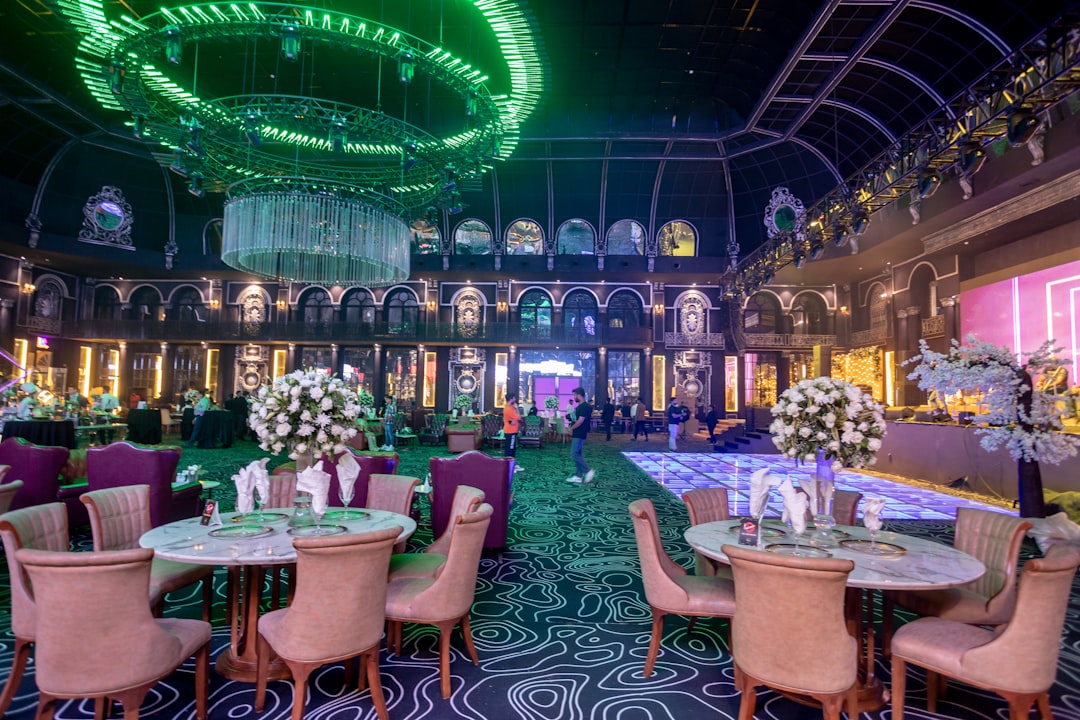
In a world saturated with curated experiences and VIP packages, intimacy is often mistaken for exclusivity. But intimacy in live music — the kind that makes you feel seen, heard, and part of something ephemeral — is not a commodity to purchase with a credit card. It’s a quality cultivated by small rooms, patient programming, and communities that place artists and audiences on the same level.
The mechanics of intimacy
Intimacy emerges when the barriers between performer and audience are low. That could mean physical proximity — a stage just a few feet away — or it could mean the psychological sense that the artist trusts the room. Intimacy is a social currency that grows when venues prioritize listening over spectacle.
"We don't always need bigger sound and brighter lights to feel moved. Sometimes a single voice and a neighboring shoulder are enough."
Why it's rare
Economic pressures have pushed some promoters toward maximalism. Big spectacles promise predictable ticket sales. But the investment in large-scale production often prioritizes spectacle over connection. As a result, the types of nights that allow intimacy to breathe — quiet folk sets, experimental showcases, listening rooms — become increasingly scarce.
Intimacy as a practice
Creating intimate nights takes intention. It means capping capacity, curating acts that invite listening, and designing spaces where sound is prioritized over visual effects. It also requires rules of engagement: phones down at certain parts of a set, gentle reminders from hosts, and a culture that privileges listening.
Artists and vulnerability
Artists who choose intimate contexts often reveal new sides of their work. Stripped-down performances can be risky; vulnerability on stage can fail. But when it succeeds, it forges deep bonds. These performances travel, too — fans tell their friends about a night that was "special," and word-of-mouth builds a durable audience in ways that algorithms cannot replicate.
Community and sustainability
Intimacy also supports sustainable careers. Smaller shows yield better-quality interactions between artists and fans — people buy records, come to more shows, and become long-term supporters. Venues that preserve intimacy often become cultural anchors: they birth scenes and careers that eventually feed larger festivals and touring circuits.
Preserving intimacy in 2026
Preserving intimacy requires policy, patronage, and practice. Cities can protect small venues through zoning and funding. Patrons can choose to support small nights rather than only chasing large events. Promoters can be thoughtful about spacing out spectacle nights to avoid drowning the small-scale shows in attention and resources.
Closing thought: Intimacy is not an elitist concept. It is a communal act of attention and generosity. When we protect it, we protect music's capacity to move us in the most human ways.
— Essay by Maya Ortiz
Related Reading
- Earthbound’s Cosmic Themes: A Retro RPG Guide to Planetary Storytelling
- Is the Mac mini M4 Good Enough for 4K Drone Footage Editing?
- Packaging Tiny TypeScript Micro‑Apps as Desktop Widgets for Non‑Technical Users
- Amazon’s Best Magic: The Gathering Booster Box Deals — What To Buy and Why
- Hiking the Drakensberg: A 5-Day Itinerary from Johannesburg for Active Travelers