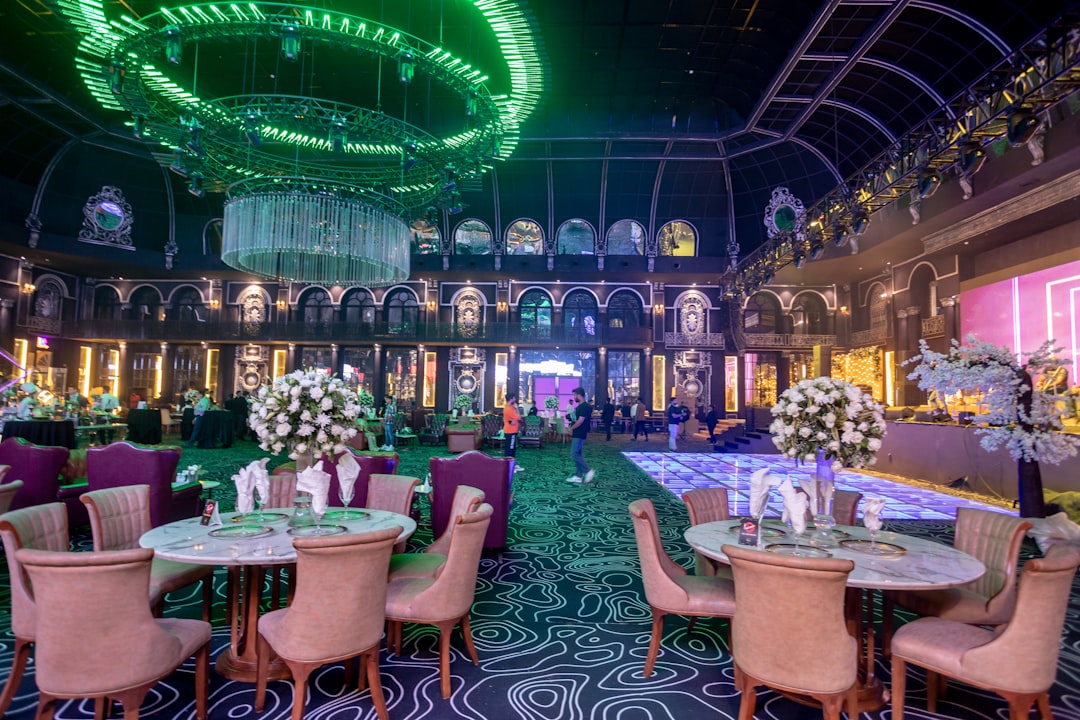
Hook: Nightlife got modular — here's what actually changed
In 2026, the long tail of evenings — alley screenings, rooftop listening parties, and micro‑cinemas inside converted shopfronts — stopped being a curiosity and started shaping city rhythms. These aren't just cute experiments. They're the new vectors for fan activation, creator revenue, and community care.
Why this matters now
After three years of rapid iteration, a few technologies and cultural trends aligned: portable AV kits matured, edge AI enabled low‑latency interactions off the central cloud, and urban governance grudgingly recognised night markets and temporary culture as economic infrastructure. The result: micro‑events scale horizontally without the friction of full venue production.
"Micro‑events in 2026 are less about grand spectacle and more about resilient, local presence — the sort of night culture that survives outages and budget cuts."
What worked in 2026: Five design patterns that stuck
-
Edge‑first interactivity.
Promoters used tiny on‑site inference and edge‑hosted experiences to run real‑time polls, AR overlays and instant merch drops without round‑trip delays to centralized APIs. Read how Edge AI Pop‑Ups changed creator revenue models in 2026 for the broader context: Edge AI Pop‑Ups: How Micro‑Events and Portable Cloud Changed Creator Revenue.
-
Micro‑AV kits that balance weight and output.
Small promoters finally stopped choosing between silence and overkill. Touring packs that weight under 12kg now include battery power, DSP, and a compact line array. For hands‑on lessons, the 2026 field review of touring micro‑event AV kits is essential reading: Field Review: Touring Micro‑Event AV Kit for Hybrid Festivals.
-
Shopfronts and market adjacencies.
Night markets and weekend micro‑hubs became pop‑up stages for micro‑cinemas and listening rooms. Sustainable power, compact lighting rigs and quiet micro‑climate stations made these setups viable: see the field guide on night and weekend markets for practical tactics: Night & Weekend Market Field Guide: Sustainable Power, Lighting and Contactless Concessions.
-
Portable commerce and micro‑fulfilment.
On‑site micro‑shops paired with instant fulfilment kiosks — a fast cash register now, a postal pop‑up later — were a reliable revenue layer. Toolkit roundups showing the best pop‑up shop and streaming rigs helped teams configure faster: Toolkit Review: Portable Pop‑Up Shop Kits & Mobile Streaming Rigs.
-
Resilience baked into the stack.
Promoters stopped assuming connectivity. They designed for intermittent LTE, post‑quantum TLS on edge controllers, and cache‑first PWAs for ticketing and merch pages. The technical playbook from 2026 on edge resilience explains these patterns in depth: Edge Resilience in 2026.
Advanced strategies for promoters and creators (practical, tested)
1. The 90‑minute micro‑event blueprint
Short, concentrated programming cuts friction for audiences and teams. We recommend:
- 30 minutes: pre‑show — soundcheck, ambient projection, discoverable merch display
- 30 minutes: curated film, set or screening
- 30 minutes: artist talk, Q&A or split set + pop‑up sale
Keep load in/out to one hour using modular trussing and pre‑wired racks. Use local edge caching and an offline‑first ticket stub for redemption to avoid network failure points.
2. Revenue stacking without the pushy sales pitch
Combine micro‑tickets, time‑limited merch drops, and a tiny number of premium experiences (VIP post‑show hang, signed zine). Integrate micro‑payments on device and keep backend reconciliation batched for the next day to reduce on‑site compute.
3. Resilience checklist for pop‑up nights
- Power: dual battery banks with UPS handoff and solar trickle where possible
- Connectivity: two independent links (SIM + local mesh) with local DNS and cache
- Security: device attestation and signed manifests for media assets
- Accessibility: live captions (edge‑first), quiet zones and consented audience capture
These come from lessons that scaled across dozens of micro‑runs in 2025–2026 and are reflected in the broader technical literature on edge resilience and event‑grade stacks.
Tech trade‑offs: What to buy, what to DIY
There is no one‑size‑fits‑all. Pick equipment based on these priorities:
- Weight sensitivity: If teams are moving between sites, prefer battery‑first rigs reviewed in touring AV roundups.
- Audio fidelity: Small line arrays and portable DSP beat consumer Bluetooth for intelligibility in open air.
- Interactivity: Edge inference devices increase responsiveness but add operational complexity.
For an evidence‑based comparison of portable AV options and their field performance, see hands‑on reviews that tested power, portability and pack design in 2026: Field Review: Touring Micro‑Event AV Kit and toolkit tests for pop‑up shop rigs: Toolkit Review: Portable Pop‑Up Shop Kits & Mobile Streaming Rigs.
Policy, permissions and community trust
Micro‑events operate at the intersection of public space and commerce. In 2026 we saw rapid adoption of simple, locality‑aligned permission templates: short notices, low‑impact sound limits, and shared safety standards. Partnering with market operators and night‑market field guides smooths permits and community relations — a practical resource for that is the night and weekend market field guide: Night & Weekend Market Field Guide.
Future predictions: What comes next (2026→2028)
- Edge-hosted fan hubs: Expect permanent micro‑hubs that rely on on‑site inference for personalised experiences and instant community drops.
- Modular licensing: Cities will adopt weekend micro‑event corridors with standardised micro‑licences to speed approvals.
- Micro‑sponsorship marketplaces: Automated short‑term sponsorships will let small brands sponsor single screenings with guaranteed attribution.
- Offline-first ticketing standards: Cache‑native token stubs and signed QR manifests will become the norm for resilience and fraud reduction.
Closing: Start small, design for failure, scale later
Promoters who succeed in 2026 are pragmatic about trade‑offs: they choose durability over bells, modularity over bespoke engineering, and community outcomes over one‑off spectacle. If you're building a micro‑cinema night or a pop‑up listening party, start by testing one element — power, AV, or payments — then iterate.
For hands‑on equipment choices and the technical backbone you’ll need to scale, these resources will save you months of trial and error:
- Toolkit Review: Portable Pop‑Up Shop Kits & Mobile Streaming Rigs — practical kit comparisons
- Field Review: Touring Micro‑Event AV Kit — touring pack field tests
- Edge Resilience in 2026 — security and observability guidance for edge stacks
- Night & Weekend Market Field Guide — power, lighting and concessions best practices
- Edge AI Pop‑Ups — the revenue implications of portable cloud and on‑site inference
Want a quick checklist? Power bank + two comms links, compact DSP, offline tickets, one premium drop, and a local liaison. Test it once, document the failure modes, and build the second event to survive them.
Related Reading
- Build a Cozy Minibar: Adding Craft Syrups, Microwavable Warmers and Local Snacks
- How Semiconductor Advances Could Lower the Cost of Smart Home Lenders’ Infrastructure
- Ramen with a Score: Curating a Hans Zimmer Playlist for Your Next Bowl
- Family Guide to Disney’s New Lands: Height, Ride Intensity and Which Attractions Are Kid‑Friendly
- Stretch Your Wellness Budget: How to Use a Budgeting App to Track Supplements, Therapy, and Gym Costs