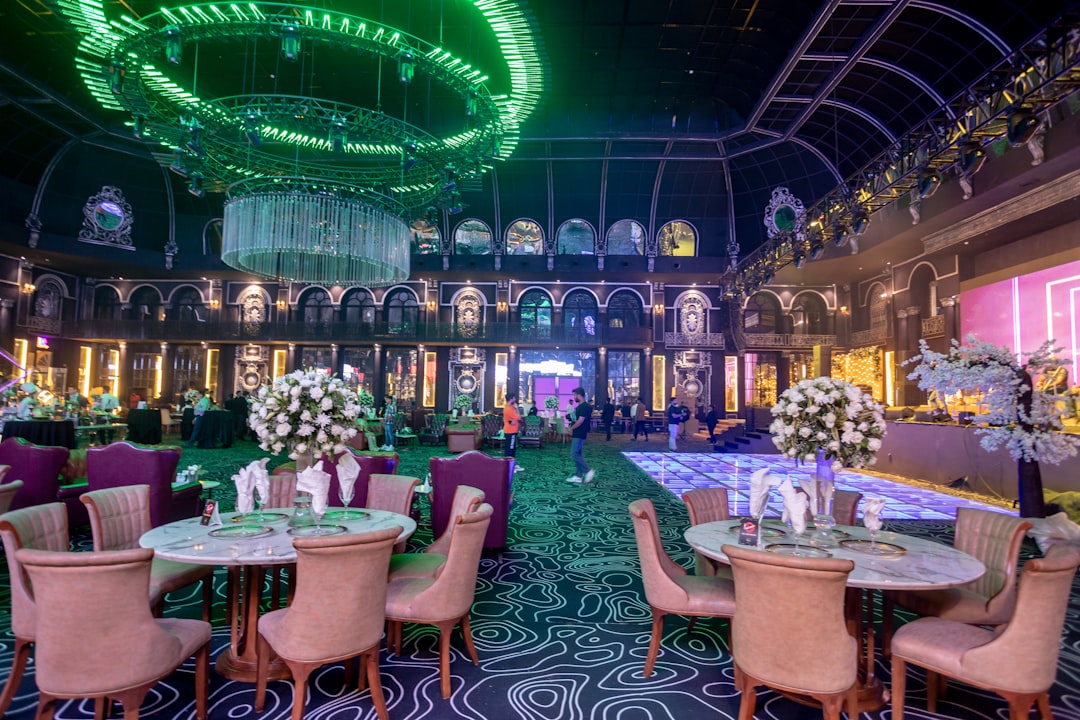
Sports docudramas—those bingeable, emotionally precise films and series that turn a match into myth—teach event producers a masterclass in narrative compression, character stakes, and catharsis. This guide translates the structure and craft of sports storytelling into a practical playbook for live-event creators who want audiences to feel like they’ve lived a story, not just watched an hour.
Why Sports Docudramas Matter to Event Producers
Audience expectation has changed
Fans now expect a story arc: context, conflict, resolution. The same audience that queues up for a sports documentary wants live experiences that honor emotion and meaning. For context on designing for modern fans, start with our primer on Event-Making for Modern Fans, which digs into what contemporary audiences prioritize.
Docudramas compress and clarify
Great docudramas find the through-line and cut everything else. Event producers must do the same: remove noise, pinpoint the emotional spine, and stage moments that feel consequential. If you need inspiration for crafting exclusive, narrative-driven moments, see the breakdown in Behind the Scenes: Creating Exclusive Experiences Like Eminem's Private Concert.
The business case
Events with a clear narrative command higher engagement, better word-of-mouth, and more ancillary revenue (merch, VIP upsells, replay streams). When producers pair storytelling with smart distribution—streaming discounts, subscriptions and tiered access—they expand both reach and revenue; see strategies in Maximize Your Sports Watching Experience: Top Streaming Discounts.
Anatomy of a Sports Docudrama — Narrative Beats to Steal
1. Origin / Setup (Establish the world)
Docudramas open with a context-setting sequence: who matters, what’s at stake, and why we should care. Translating that to a live event can mean pre-show content, lobby installations, or a pre-recorded opener that orients the crowd. If your event is sports adjacent, examine the emotional setup used in recaps like Sri Lanka vs. England: A Thrilling ODI Recap for structural cues.
2. Rising conflict (The obstacles)
Effective docudramas present escalating obstacles: injury, scandal, underdog status. For events, this translates to engineered uncertainty—surprise guest appearances, interactive voting that affects outcomes, or staged setbacks that the audience helps resolve. Look at how tension is built backstage in pieces like Behind the Scenes: Premier League Intensity for techniques that heighten stakes.
3. Climax & catharsis (Emotional payoff)
Docudramas reserve a payoff for the climax; so should events. Plan for a moment that recontextualizes everything (a reveal, a reconciliation, a performance peak). The payoff must be earned by prior moments of tension and setup.
Translating Narrative Beats into Event Design
Beat 1: Opening Image → Arrival Experience
Your arrival experience is the first frame of the story. Use lighting, soundscapes, and small theatrical moments to establish mood. For travel and logistics that reinforce arrival as narrative, review ideas in Wanderlust for Football: Matchday Travel Guides.
Beat 2: Inciting Incident → The Trigger
Introduce an inciting incident that makes the audience care: a surprise opener, a charity announcement, or a live vote that sets the main action in motion. For guidance on charity tie-ins that emotionally land, see Reviving Charity Through Music.
Beat 3: Resolution → Exit & Aftercare
Design an exit that extends the narrative: a send-off ritual, a downloadable epilogue, or post-show content that rewards return visits. Keep this in your production plan—our piece on crafting matchday experience logistics has useful blueprints: Crafting the Perfect Matchday Experience.
Crafting Characters: Talent, Crew, and the Fan as Protagonist
Identify your protagonists
Every docudrama centers characters. For events, protagonists include the headliner, an undercard talent, the MC, and crucially—the fan. Frame event marketing and narrative elements so fans see themselves as part of the arc. For lessons on celebrity narratives and how they drive attention, read All Eyes on Giannis.
Supporting cast and antagonists
Supporting cast (crew, surprise guests) and antagonists (time, weather, technical limits) create conflict. Cast these roles deliberately in your run-of-show, and rehearse their entrances and exits like scene changes in a docudrama.
Fan agency
Docudramas often grant audiences perspective; live events should grant agency. Interactive choices—fan voting, on-stage selections, or communal chants—turn spectators into co-authors of the climax. For creator tools to enable fan-led moments, explore Beyond the Field: Tapping into Creator Tools for Sports Content.
Building Tension: Pacing, Surprise, and Stakes in Live Events
Use pacing like an editor
Editors sculpt tension by alternating action with reflection. In events, alternate high-energy moments with quieter, immersive pieces. Use staging and lighting to shift tempo. Look to game-day tactical arcs for pacing principles in Game Day Tactics.
Design surprises carefully
Surprises must be credible and scaffolded—unexpected, not inexplicable. Case studies of surprise shows explain why secrecy and logistics matter; see coverage of private-surge performances like Eminem's Surprise Performance and the production notes in Behind the Scenes.
Quantify stakes
Translate emotional stakes into tangible metrics: number of fan-submitted stories, social mentions target, charity dollars pledged. Metrics turn subjective drama into measurable goals, and help justify creative choices to stakeholders.
Soundtrack & Audio Design: Emotional Compression
Score the moment
Music compresses narrative time and compresses emotion. Build a sonic arc for your event: opening motif, tension motif, payoff motif. For ideas on music’s role during tech events and outages—how sound preserves narrative flow—read Sound Bites and Outages.
Live vs pre-recorded audio
Decide when to use live music for authenticity and when to deploy pre-recorded tracks for precision. Hybrid approaches work well: recorded themes punctuate live transitions while live music delivers raw catharsis.
Audio accessibility
Closed captions, descriptive audio, and multi-lingual tracks extend narrative reach. Implement audio strategies that preserve emotional intent for all fans—this is part of modern event-making best practice covered in broader cultural event guides like Event-Making for Modern Fans.
Visual Storytelling: Lighting, Stagecraft, and Cinematic Cues
Frame key moments
Use lighting cues and sightlines to focus the crowd’s attention. Close off certain sightlines early to create intimacy when a reveal arrives. Learn from sports staging and gear design where visual identity drives team spirit: The Art of Performance (see design parallels).
Cinematic camera moments
Docudramas lean on close-up moments to reveal interiority. For hybrid or livestreamed events, designate camera moments: the reaction shot, the handshake, the reveal—edit them live for narrative clarity. For creator-friendly production quarters and remote shooting tips, check Creating Comfortable, Creative Quarters.
Visual consistency
Design a visual palette—color, typography, motifs—so every element (tickets, stage, merch) feels like part of one story-world. Consistency increases perceived production value and aids memory formation.
Audience Engagement: Interactivity, Community, and Catharsis
Make the fan the hero
Design arcs where the fan’s choices matter. Social voting, on-site micro-interactions, and communal rituals create ownership. For community-building tactics that scale, read about celebrating small wins and gratitude at sporting events in Celebrating the Small Wins.
Hybrid audiences
Millions watch remotely; design moments that translate across screens. Provide at-home viewers with parallel experiences—real-time polls, camera feeds, and exclusive behind-the-scenes content—to preserve the arc. Tools and monetization routes are outlined in Beyond the Field.
Community rituals
Rituals (chants, light-waving, pre-show mixers) produce group catharsis. Build repeatable micro-rituals into your event so they become shared language across seasons.
Production Playbook: Pre-Production, Run of Show, and Contingency
Pre-production: Story-first planning
Script the event as scenes. Create a beat sheet that maps story beats to timestamps, cues, and fallback options. The more narrative precision you bring to pre-pro, the easier it is to improvise in service of drama.
Run of Show: The event Bible
Your run of show should be a narrative tool: scene descriptions, emotional intent, actor blocks, and camera shots. Treat it as an editor’s timeline rather than just a technical schedule.
Contingency: Turning failures into story
Great docudramas use setbacks to reveal character. When tech fails or talent is delayed, have narrative-forward contingencies—pre-authored crowd prompts, surprise acoustic sets, or host-led storytelling—that preserve audience momentum. The resilience lessons from documentaries that resist authority are useful: Resisting Authority.
Pro Tip: Design at least three "emotional pivots" in every event—a quiet moment for reflection, a rapid escalation, and a cathartic payoff. Each pivot should have a backup plan that preserves the arc if something goes wrong.
Monetization & Post‑Show Lifecycle: From Tickets to Legacy
Tiered narrative products
Sell the story in layers: tickets for the live arc, VIPs for backstage chapters, digital bundles for the epilogue. Offer timed exclusives (24-hour replay with director’s commentary) to monetize the afterlife of the event.
Data-driven narrative optimization
Use engagement metrics—dwell time, interactive vote counts, social sentiment—to refine the story for future editions. Treat metrics as editorial feedback, not just KPIs.
Legislation and rights
When packaging performances for digital sale or reuse, know the legal landscape. If your event involves recorded music or creator content, study upcoming policy shifts in our resource on industry law: What Creators Need to Know About Upcoming Music Legislation.
Case Studies & Real-World Examples
Case 1: Surprise shows and the economics of secrecy
Surprise performances (like secret shows trending with big-name artists) create outsized buzz. Read analysis on why secrecy works in Eminem's Surprise Performance and logistics insights in Behind the Scenes.
Case 2: Sports narratives applied to live festivals
Sports docs that celebrate comeback arcs can be translated into festival programming that highlights undercard artists as "comeback" stories. For collaboration and viral marketing lessons, see the career arc study in Reflecting on Sean Paul’s Journey.
Case 3: Tactical staging from sports broadcasts
Broadcast tactics—reaction cams, time-synced graphics, and replay—are transferable to live events, particularly hybrid shows, to create a sense of shared narrative. The NBA’s strategic storytelling on-court offers parallels in The NBA's Offensive Revolution, which illustrates strategic evolution that informs pacing decisions.
Case 4: Fight nights as compact narratives
Combat sports present compact arcs with clear stakes: the underdog, the comeback, the decisive moment. Event producers can learn how to compress arcs from match previews like Gaethje v Pimblett.
Practical Tools & Checklists
Checklist: Narrative-first pre-pro
- Beat sheet mapped to timestamps - Protagonist profiles for talent and the fan - Three backup emotional pivots - Audio/visual motifs documented
Tools to build with
Use creator and streaming tools to expand narrative reach. For a toolbox of creator features that help producers monetize and scale, read Beyond the Field and production-space tips in Creating Comfortable, Creative Quarters.
Community & charity tie-ins
Building goodwill into the narrative increases emotional resonance and opens sponsorship opportunities. For effective charity integration into music-driven events, consult Reviving Charity Through Music.
Measuring Success: Narrative KPIs
Engagement metrics
Track active participation rate (voting, app interactions), dwell time during key scenes, and repeat visitation. Treat these as proxies for narrative investment.
Emotional resonance
Use sentiment analysis of social posts and post-event surveys asking: "Which moment felt most meaningful?" Quantify qualitative responses to guide future arcs.
Revenue & retention
Measure ARPU across tiers (general, VIP, digital replay) and retention rates for repeat attendees. For examples of monetizing viewing experiences, explore streaming discounts and offers in Maximize Your Sports Watching Experience.
Comparison: Docudrama Beats vs. Event Elements
Below is a practical comparison you can copy into your event bible, mapping story beats to concrete event elements and metrics.
| Docudrama Beat | Event Element | Example | Metric to Track |
|---|---|---|---|
| Origin / Setup | Arrival Experience & Pre-show Content | Welcome film & lobby installations | Dwell time in arrival zone |
| Inciting Incident | Trigger Moment (reveal / announcement) | Live charity pledge or surprise guest | Real-time donations / social spikes |
| Rising Action | Escalating Performances & Interactive Challenges | Fan vote that changes setlist | Participation rate / vote volume |
| Climax | Peak Performance / Reveal | Final collaborative moment with audience | Peak decibel level / engagement |
| Resolution | Exit Ritual & Post-show Content | Digital epilogue + merch drops | Replay purchases / merchandise conversion |
Frequently Asked Questions
1. Can every event benefit from a docudrama-style narrative?
Yes — the scale and intensity vary. Even B2B conferences benefit from a clear through-line: problem, conflict, solution. The techniques here scale from intimate pop-ups to stadium spectacles.
2. How do I keep surprises from causing chaos?
Plan minutiae: security, routing, and an indexed run-of-show. Rehearse alternatives and use controlled secrecy—only announce to those who need to know. Case studies of secret shows provide operational ideas in Eminem's Surprise Performance.
3. What budget line-items should be prioritized for narrative impact?
Prioritize audio design, a concise creative director, and camera ops for hybrid shows. These buy the most emotional return per dollar.
4. How do I measure the emotional success of a show?
Use a mix of quantitative and qualitative: engagement metrics, social sentiment, NPS, and short post-show open-ended questions about the most memorable moment.
5. How can I turn a one-off narrative into a recurring franchise?
Document your story beats, ritualize the audience moments, and develop serialized content—pre- and post-show media—that creates continuity. Review collaboration and legacy strategies in music and sports case studies like Reflecting on Sean Paul’s Journey.
Final Checklist: Ship the Story
Before doors open, verify these narrative essentials:
- Beat sheet synced to the run-of-show
- Three emotional pivots with fallbacks
- Designated camera and audio "reveal" cues
- Fan-agency mechanics operational (apps, ballots)
- Post-show distribution plan and rights clearance
Bringing the dramatic craft of sports docudramas into live events means designing experiences that bend time, elevate characters, and reward audiences with catharsis. For producers, the assignment is simple: tell a clear story, give the crowd agency, and make the payoff unavoidable.
Related Reading
- Literary Lessons from Tragedy - How classical narrative techniques inform modern event writing.
- How Attending a Soccer Match Can Be Affordable - Practical pricing and travel advice for making events accessible.
- Budget-Friendly Travel in Dubai - A travel-focused look at maximizing experience on a budget.
- Exploring AI-Powered Offline Capabilities - Technical ideas for offline-first audience apps and interactive features.
- Remembering Legends - Storytelling lessons from legacy figures that apply to long-running events.